Health and Safety Policy for Carpetcleaning SW8
 Carpetcleaning SW8 is committed to maintaining a safe, controlled, and professional working environment for every cleaning project. This Health and Safety Policy sets out the standards, responsibilities, and working practices that support safe carpet cleaning operations in homes, offices, and shared premises. Our approach focuses on prevention, careful planning, and the consistent use of safe methods to protect employees, clients, visitors, and property.
Health and safety is central to every stage of a carpet cleaning job. From the initial assessment to the final drying stage, each task must be completed with attention to risk reduction, product handling, equipment safety, and personal wellbeing. We expect all team members involved in carpet cleaning services to understand potential hazards and apply practical controls before work begins. This includes protecting floor surfaces, identifying trip risks, and ensuring that cleaning machines and solutions are used correctly.
 All staff are required to work in a manner that supports both safety and quality. A safe working method depends on preparation, awareness, and clear communication. Every carpet cleaning assignment should begin with an inspection of the area, including the condition of the flooring, ventilation, access routes, electrical points, and any fragile items nearby. Where a hazard is identified, work must be adapted or paused until it can be managed safely.
Responsibilities and Safe Working Standards
Management is responsible for providing suitable equipment, safe systems of work, and training that enables staff to carry out duties competently. Workers, in turn, must follow instructions, use equipment properly, and report concerns promptly. This shared responsibility is essential in carpet cleaning SW8 operations, where moisture, electricity, detergents, and manual handling can create risks if not managed carefully.
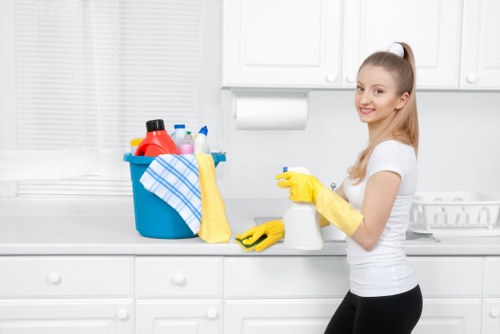
All cleaning products must be stored, labelled, and used in accordance with manufacturer guidance. Whenever possible, products should be chosen for suitability, effectiveness, and lower hazard levels. Operators should wear appropriate personal protective equipment when required, such as gloves, protective footwear, or eye protection. Special care must be taken when handling concentrated agents, spotting solutions, or any substance that may irritate the skin or affect breathing.
 Equipment safety is another major part of this policy. Machines used in carpet cleaning must be checked before use to confirm that cables, plugs, hoses, and fittings are in good condition. Electrical equipment should never be used if damaged or exposed to water in a way that may create an unsafe condition. Staff should also avoid overloading sockets and must keep cords arranged to reduce the chance of trips or falls. Carpetcleaning SW8 work must always be carried out with due care around occupants and other workers.
Risk Management and Environmental Control
Risk assessments should be completed for work areas where conditions may present hazards. These assessments must consider slip risks, blocked exits, poor lighting, moving furniture, confined spaces, and the possibility of encountering mould, stains, or contamination. If a property contains vulnerable surfaces or delicate items, the work plan should be adjusted accordingly. When moving furniture, staff must use correct lifting techniques and, where needed, obtain assistance to prevent strain or injury.
Ventilation is important during and after cleaning. Adequate airflow helps reduce drying times and limits the build-up of fumes from detergents or treatments. Areas should be left as clear as possible to allow safe movement and to prevent accidental contact with damp surfaces. In professional carpet cleaning, temporary warning signs or floor protection may be used to help manage access and reduce slip hazards while work is underway.
Waste and residue must also be managed responsibly. Dirty water, used cloths, packaging, and contaminated materials should be disposed of in a controlled manner. Spills should be cleaned immediately using appropriate methods to prevent accidents. Carpetcleaning SW8 teams must remain alert to the condition of the workspace throughout the job, since safety risks can change as cleaning progresses and surfaces become damp or equipment is moved.
Training, Reporting, and Emergency Response
 Training is essential to maintaining safe practice. Staff must be instructed in safe chemical use, machine operation, manual handling, fire awareness, and first aid procedures. Refresher training should be provided when equipment changes, when new products are introduced, or when work methods are updated. Everyone involved in carpet cleaning services should know how to respond if something goes wrong and how to seek help quickly.
Any incident, near miss, or unsafe condition must be reported without delay. This includes injuries, equipment faults, chemical splashes, unexpected leaks, and any situation that could have caused harm. Records should be kept so that patterns can be identified and improvements made. A proactive reporting culture supports safer carpet cleaning SW8 operations and helps prevent repeat issues.
Emergency arrangements must be clear and practical. Staff should know the location of exits, how to isolate electrical equipment, and what action to take in the event of fire, flooding, or exposure to hazardous materials. First aid supplies should be accessible, and emergency procedures should be reviewed regularly. In every case, the priority is to protect people first, then secure the area and continue only when it is safe to do so.
Review and Continuous Improvement
 This policy will be reviewed regularly to ensure it remains effective, current, and suitable for the work carried out. Reviews will consider operational changes, incident records, equipment performance, and feedback from safety checks. As part of ongoing improvement, Carpetcleaning SW8 will continue to strengthen safe practices and update procedures where needed.
Health and safety is not a one-time requirement but a continuous commitment. By following safe methods, using appropriate controls, and maintaining professional standards, carpet cleaning work can be completed efficiently while protecting everyone involved. Safe cleaning, careful planning, and consistent supervision are the foundations of this policy.